

Biohacking has a PR problem. The word conjures images of Silicon Valley executives injecting experimental compounds or implanting microchips under their skin. That version exists but it’s the extreme fringe of a much broader, more accessible movement.
At its core, biohacking is simply the practice of making deliberate, evidence-led changes to your lifestyle, environment, and biology to improve how you feel and function. Most of it is completely ordinary. Some of it is surprisingly powerful.
Here’s a grounded introduction to what biohacking actually means — and the tools and approaches that are worth your attention.
Conventional health advice tends to treat symptoms in isolation. Biohacking takes a systems view, recognising that sleep affects cognition, cognition affects training, training affects hormones, hormones affect sleep, and so on. When you understand these feedback loops, you can make targeted interventions that create outsized improvements across the whole system.
The goal isn’t to chase perfection. It’s to understand your own biology well enough to make better decisions about how you recover, train, eat, and live.
You don’t have to be an elite athlete or a tech billionaire to benefit from biohacking. Most of the most impactful interventions cost very little and require no special equipment.
The highest-leverage biohacks aren’t gadgets — they’re habits. Before going anywhere near technology, the research consistently points to four foundational variables that have more impact on health, performance, and longevity than almost anything else:
There is no supplement, therapy, or intervention that comes close to matching the benefits of consistent, quality sleep. It regulates cortisol, consolidates memory, clears metabolic waste from the brain, repairs muscle tissue, and governs almost every hormonal process in the body. If you’re not sleeping 7–9 hours in a dark, cool room at a consistent time, everything else is secondary.
Not just gym sessions — daily movement throughout the day. Walking, standing, variation. Sedentary behaviour is one of the strongest independent risk factors for metabolic disease, cognitive decline, and early mortality. Move more, sit less.
Whole foods, adequate protein, limited ultra-processed products. The nutritional science is noisier than sleep science, but the basics are consistent across almost every school of thought. Eat food that looks like food. Get enough protein to support muscle mass. Limit the stuff that comes in packaging with a long ingredients list.
Chronic low-grade stress — the ambient pressure of modern professional and personal life — is one of the most significant drivers of poor health outcomes. Learning to move your nervous system into parasympathetic (rest and repair) states regularly is foundational to everything else.
Once the foundations are solid, there’s a range of technologies and interventions with genuine evidence behind them that can meaningfully accelerate recovery, performance, and longevity.
Cold immersion activates the sympathetic nervous system, releases norepinephrine, stimulates brown adipose tissue, and has demonstrated benefits for mood, circulation, inflammation, and resilience. The research has grown substantially in recent years. It’s accessible, cheap (if you’re using a natural source), and the physiological effects are well-documented.
Using specific wavelengths of red and near-infrared light to stimulate mitochondrial function, reduce inflammation, support collagen production, and accelerate tissue healing. One of the most evidence-rich recovery technologies available. Consistent use over weeks produces meaningful improvements in recovery times, skin health, and cellular energy.
Pulsed electromagnetic field therapy works at a cellular level to restore membrane voltage, reduce inflammation, and support tissue healing. FDA-cleared for bone healing since the 1970s, PEMF has a strong research base across pain management, joint health, and sleep improvement.
At increased atmospheric pressure, the body absorbs up to three times the normal oxygen load — driving it into plasma and tissue rather than just red blood cells. Used in sports medicine, post-injury rehabilitation, and increasingly as a longevity tool. The research on inflammation, cognitive recovery, and neurological repair is particularly compelling.
Devices like the Hume Band provide continuous data on heart rate variability (HRV), sleep quality, and recovery status. HRV in particular has become a gold-standard metric for understanding your autonomic nervous system state and readiness to train or stress your system further. Data without context is noise — but the right wearable, interpreted well, tells you things your body won’t otherwise communicate.
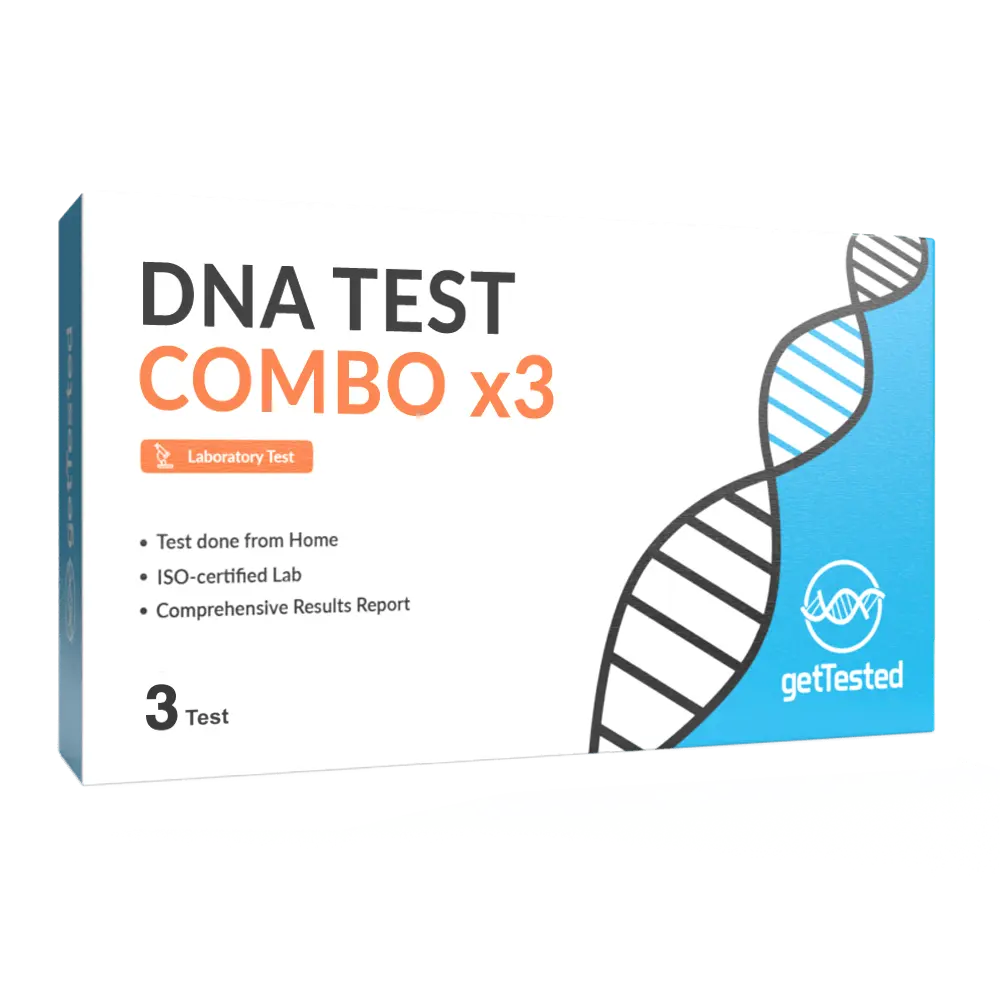
Genetic testing (like GetTested’s DNA panels) reveals your individual predispositions around nutrition, exercise response, sleep architecture, and health risks. Combined with blood biomarker testing, it allows you to move from generic health advice to genuinely personalised protocols. This is where biohacking gets interesting — because the optimal approach for one person’s biology can be quite different from another’s.
The temptation is to buy the gadgets first. Resist it. The ROI on optimising sleep, nutrition, and stress dwarfs the return on any piece of technology — at least until the foundations are solid.
Once the basics are dialled in, the logical starting points depend on your goals:
You don’t need all of it. You need the right tools for your specific goals, applied consistently.
At Heila, we’ve built our service offering around evidence-led wellness technologies — the modalities with genuine research behind them and real-world results to back them up. Whether that’s mobile therapy sessions, equipment hire for events, or purchasing your own kit through Heila Hytte, everything we offer is grounded in the science.
We also work with GetTested and Hume Health to provide DNA testing and continuous health monitoring for clients who want to take a data-driven approach to their wellness.
Not sure where to start? Read: Which therapy is right for me? Or enquire directly with the Heila team.
No. The highest-leverage biohacks — sleep optimisation, consistent movement, whole-food nutrition, cold showers — cost nothing. The technology (wearables, red light panels, PEMF mats, DNA tests) adds value once the foundations are solid, but starting with gadgets before the basics are dialled in is one of the most common mistakes in the biohacking world. Start with the free stuff first.
It depends on the specific practice. Some biohacking interventions — cold exposure, red light therapy, PEMF, HBOT, HRV monitoring — have strong peer-reviewed evidence behind them. Others sit in greyer territory. The principle of approaching your own health with curiosity and data is sound; the key is being discerning about which practices you adopt and prioritising those with genuine evidence. At Heila, everything we offer has a meaningful research base.
Heart rate variability (HRV) measures the variation in time between your heartbeats. Higher HRV generally indicates a well-recovered, parasympathetically dominant nervous system — your body is in repair mode. Lower HRV suggests sympathetic dominance — stress, under-recovery, or illness. Tracking HRV daily gives you an objective measure of your recovery status that you can use to guide training intensity, lifestyle decisions, and the effectiveness of your wellness practices.
A comprehensive DNA test like GetTested’s panel reveals your genetic predispositions across nutrition, exercise response, sleep, stress, and disease risk. For example, you might learn that you’re a slow caffeine metaboliser (relevant to sleep and anxiety), or that you carry variants associated with higher cardiovascular risk (relevant to training choices). It doesn’t tell you your destiny — genes are not deterministic — but it gives you a personalised map to work with rather than generic population-level advice.
Therapies like HBOT, PEMF, red light, and cold plunge are tools in the optimisation toolkit. They work best when layered onto solid lifestyle foundations — not as substitutes for sleep, nutrition, and movement. The typical approach is to use wearable data (HRV, sleep scores) to identify where your system is under-performing, then deploy specific therapies to address those gaps. Data in, intervention applied, data measured — that’s the loop.
Share This :
